✅ FREE Rush Service or Customization (colors / sizes / design) Available upon Request. Please note at checkout or email
🏆 Chosen By Leaders: Hollywood Studios | American Museum of Natural History | Opera America | Harvard University
-year leader, number 1 largest and best in authentic traditional items, most currencies are accepted:
Perfect For: Celebrations 鈥� Films 鈥� Stage Performances 鈥� Museum Displays 鈥� Festivals 鈥� Photo Shoots 鈥� Galas
100% Satisfaction • Triple Guarantee:
1. You will it. Or we remake it for FREE.
2. On-Time Delivery Guaranteed
3. 365-Day Full Refund Guarantee
Limited Stock | Ready to Ship Today
Quantity:
Size:
Color:
Fabric: Various top traditional fabrics
Handicraft: Handmade by the best traditional tailors
Delivery: As the largest traditional costume shop, 1-17 days FREE worldwide shipping via UPS, DHL, SF or FedEx is offered
Size: You may select the stock standard size based on the size chart.
Color: you do not need to select the color section or simply select Same if you want it to be the Same as Picture.
If you wish to change the main color, please select it based on the color chart and let our top traditional designers design the rest for you. Or you may select "Free Customization" and leave us a message containing your detail color requests on the order form. This custom service has no extra cost!
Free Rush Service Available: Standard tailoring takes 1-2 weeks. If you need it by a specific date, please leave your required receipt date in the order notes. We will prioritize your order as a rush request to ensure timely delivery.
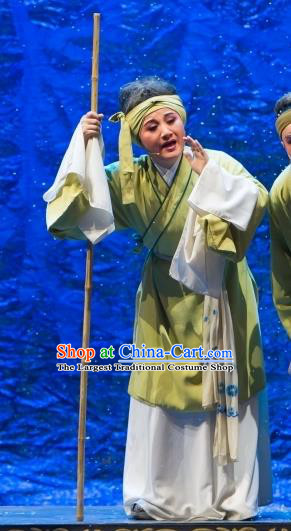
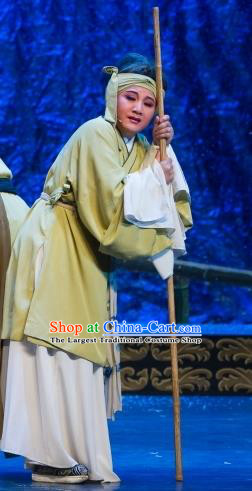
Chinese Shaoxing Opera Poor Dame Dress is a traditional Chinese opera that originated in the 19th century.
It tells the story of a poor woman named Yue, who becomes a nun and lives a life of poverty and hardship.
The costumes worn by the characters in this opera are also an important part of its cultural heritage.
The Poor Dame Dress is a long, flowing robe made of silk or other fine fabrics.
It has a high collar and is often decorated with intricate embroidery or other embellishments.
The dress is typically worn by female characters in Chinese opera, particularly those who play nuns or other religious figures.
The Elderly Female Apparels Garment and Headdress are also important components of Chinese Shaoxing Opera Poor Dame Dress.
These garments are designed to be comfortable and practical for performers, while still maintaining a sense of elegance and grace.
They may include loose-fitting robes, skirts, and headpieces that are adorned with colorful ribbons or other decorative elements.
Overall, the costumes worn in Chinese Shaoxing Opera Poor Dame Dress reflect the cultural values and traditions of China's rich history and artistic heritage.
They serve as a visual representation of the characters' personalities and roles within the narrative, as well as a testament to the skill and craftsmanship of the performers who wear them.
Please fill in the form below. For your convenience, our Customer Care Department opens 24 hours a day, 7 days a week. You will receive our reply within 1-24 hours.
Require customization based on a provided image? Let Us Assist You!
As 21-year leader in crafting and tailoring, trusted by many renowned clients worldwide, our expert team is well-known for superior quality and rapid delivery. Contact us at service@china-cart.com or fill out the form below to get a fast reply within 15 hours. We will bring your best vision to life within your budget and deadline!




 -year leader,
 it. Or we remake it for FREE.
 Listen in the gallery