Fabric: Various top traditional fabricsHandicraft: Handmade by the best traditional tailors Delivery: As the largest traditional costume shop, 1-17 days FREE worldwide shipping via UPS, DHL, SF or FedEx is offered Size: You may select the stock standard size based on the size chart. Color: you do not need to select the color section or simply select Same if you want it to be the Same as Picture. If you wish to change the main color, please select it based on the color chart and let our top traditional designers design the rest for you. Or you may select "Free Customization" and leave us a message containing your detail color requests on the order form. This custom service has no extra cost! Free Rush Service Available: Standard tailoring takes 1-2 weeks. If you need it by a specific date, please leave your required receipt date in the order notes. We will prioritize your order as a rush request to ensure timely delivery.
Rich Artistic Connotation & Historical Background:
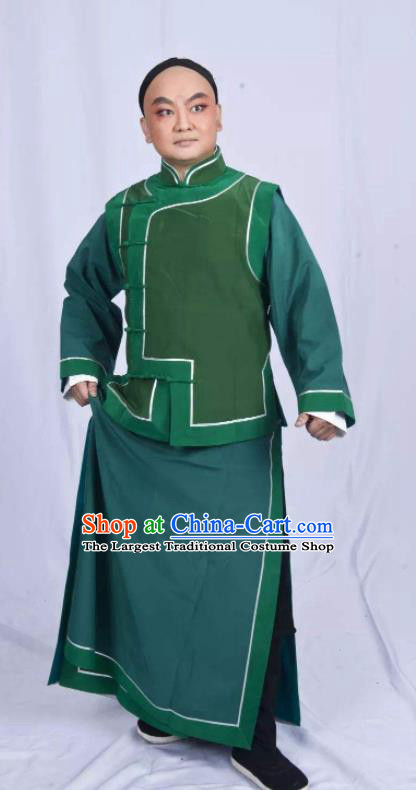
Mei Hua Zan Chinese Beijing Opera Scholar Green Clothing Stage Performance Dance Costume and Headpiece for Men
Mei Hua Zan is a traditional Chinese opera that originated in Beijing during the Qing Dynasty.
It is known for its elaborate costumes, intricate makeup, and unique vocal style.
The Mei Hua Zan costume is a symbol of the scholar's status and is often worn by actors who play scholarly characters.
The green color of the costume represents wisdom and knowledge, while the white trim adds a touch of elegance.
The headpiece, also known as the "mei hua zan" or "green hat," is a small cap with a long brim that covers the wearer's forehead.
It is usually made of silk or other fine materials and is adorned with intricate embroidery and beading.
In addition to the costume and headpiece, the Mei Hua Zan performer also wears a pair of black shoes and a red tie.
The shoes are made of leather and have a high heel, while the tie is typically made of silk or other lightweight materials.
The Mei Hua Zan performance is characterized by its use of singing, acting, and acrobatics.
The performers often use hand gestures and body language to convey their emotions and tell the story.
They also use a variety of vocal techniques, such as falsetto and vibrato, to create different tones and moods.
Overall, the Mei Hua Zan costume and headpiece are an important part of the traditional Chinese opera culture.
They not only reflect the aesthetic values of the time but also serve as a symbol of the performer's skill and dedication to their craft.
 Listen in the gallery Listen in the gallery
|




 -year leader,
 it. Or we remake it for FREE.