Fabric: Various top traditional fabricsHandicraft: Handmade by the best traditional tailors Delivery: As the largest traditional costume shop, 1-17 days FREE worldwide shipping via UPS, DHL, SF or FedEx is offered Size: You may select the stock standard size based on the size chart. Color: you do not need to select the color section or simply select Same if you want it to be the Same as picture If you wish to change the main color, please select it based on the color chart and let our top traditional designers design the rest for you. Or you may select "Free Customization" and leave us a message containing your detail color requests on the order form. This custom service has no extra cost! Free Rush Service Available: Standard tailoring takes 1-2 weeks. If you need it by a specific date, please leave your required receipt date in the order notes. We will prioritize your order as a rush request to ensure timely delivery.
Rich Artistic Connotation & Historical Background:
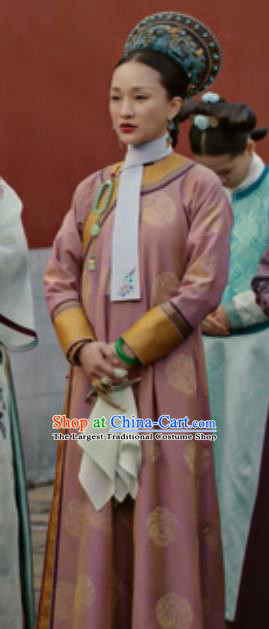
The imperial concubines of the Qing Dynasty in ancient China wore magnificent clothing and exquisite headwear.
These garments and accessories not only represented the fashion trends of the time, but also reflected the importance of imperial power and status.
During the Qing Dynasty, the clothing and headwear of the imperial concubines were highly valued.
They typically wore long robes, skirts, and high-heeled shoes to display their elegance and nobility.
Headwear was also an important accessory for them, including hair ornaments such as buns, hairpins, earrings, and necklaces.
The most famous of these was the "t煤", a special head ornament worn by the imperial concubines of the Qing Dynasty.
The "t煤" was a silk head ornament embroidered with various patterns and characters.
It was usually worn on top of the head and secured with a thin string tied around the hair.
The design of this head ornament was very intricate and could reflect the taste and status of the concubine who wore it.
In addition to the "t煤", the imperial concubines of the Qing Dynasty also wore other luxurious clothing and headwear.
For example, they might wear a long robe or skirt embroidered with floral patterns or gold embroidery.
They would also wear jewelry such as earrings, necklaces, and bracelets.
In conclusion, the imperial concubines of ancient China's Qing Dynasty wore magnificent clothing and headwear to display their elegance and nobility.
These garments and accessories not only represented the fashion trends of the time, but also reflected the importance of imperial power and status.
 Listen in the gallery Listen in the gallery
|




 -year leader,
 it. Or we remake it for FREE.