Traditional Ancient Chinese Imperial Emperess Costume, Chinese Han Dynasty Young Lady Dress, Cosplay Fairy Tale Chinese Teleplay Ten great III of peach blossom Role Bai qian Peri Imperial Princess Hanfu Clothing for Women
✅ FREE Rush Service or Customization (colors/sizes /design) Available upon Request. Please note at checkout or email.
🏆 Chosen By Leaders: Hollywood Studios | American Museum of Natural History | Opera America | Harvard University
-year leader, number 1 largest and best in authentic traditional items, most currencies are accepted:
Perfect For: Celebrations 鈥� Films 鈥� Stage Performances 鈥� Museum Displays 鈥� Festivals 鈥� Photo Shoots 鈥� Galas
100% Satisfaction • Triple Guarantee:
1. You will it. Or we remake it for FREE.
2. On-Time Delivery Guaranteed
3. 365-Day Full Refund Guarantee
Limited Stock | Ready to Ship Today
Quantity:
Size:
Color:
Delivery: 1-17 days FREE worldwide shipping
Handicraft: Well handmade by top traditional tailors team
Fabric: Various top traditional fabrics
Size: You can pick a standard size we have in stock. If you want our top traditional tailors to custom-make it for you for free, just choose "Free Customization" and tell us your measurements or your usual size in the order note.
Color: If you like the same color in stock most, you do not need to select the color section. If you wish to change it, you may select another main color on the color section. Or you may select "Free Customization" and leave us a note containing your detail color requirements on the order form.
In ancient China, the clothing and status of women were closely related.
Traditional Chinese imperial women's clothing, also known as Han-style young women's dress or ancient costume, was an important part of ancient Chinese culture.
These clothes were usually made of silk and had gorgeous designs and exquisite craftsmanship, reflecting the social hierarchy and aesthetic concepts of that time.
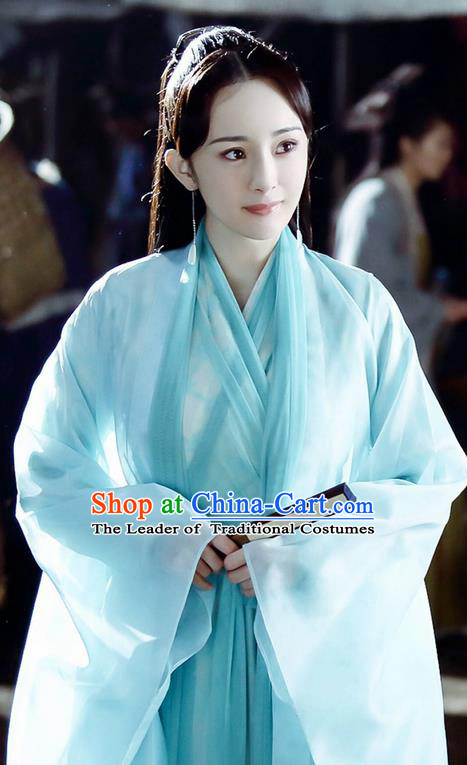
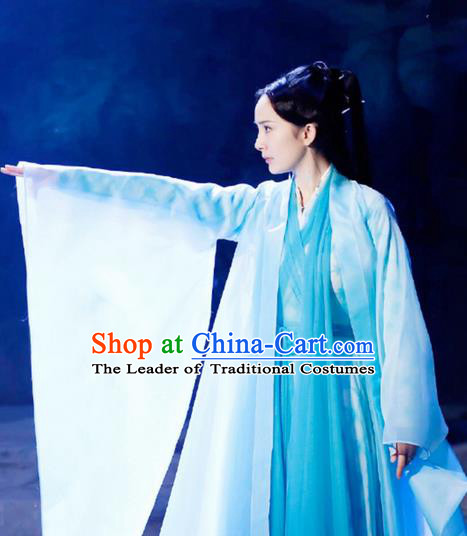
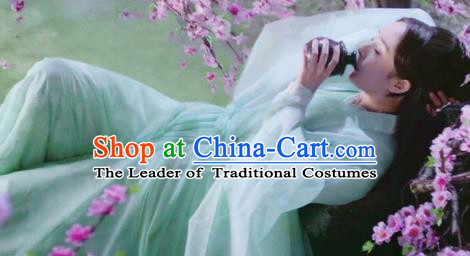
In the TV series "The Tale of Three Rings," Bai Qian, one of the main characters, wears a set of exquisite Hanfu.
This Hanfu includes a long robe, a skirt, and a pair of shoes.
The color of the long robe is usually blue or white, with various patterns and decorations embroidered on it.
The skirt is also blue, with floral patterns embroidered on it.
The shoes are black with golden embroidery.
In addition to Hanfu, there are other famous ancient Chinese imperial women's clothing styles such as Tang-style and Song-style clothing.
These clothes all have unique designs and styles that reflect the cultural characteristics and social customs of different historical periods.
In conclusion, ancient Chinese imperial women's clothing is one of the treasures in the cultural treasure house of China.
They not only represent the aesthetic concepts and fashion trends of that time but also reflect the richness and depth of ancient Chinese culture.
Please fill in the form below. For your convenience, our Customer Care Department opens 24 hours a day, 7 days a week. You will receive our reply within 1-24 hours.
Require customization based on a provided image? Let Us Assist You!
As 21-year leader in crafting and tailoring, trusted by many renowned clients worldwide, our expert team is well-known for superior quality and rapid delivery. Contact us at service@china-cart.com or fill out the form below to get a fast reply within 15 hours. We will bring your best vision to life within your budget and deadline!




 -year leader,
 it. Or we remake it for FREE.
 Listen in the gallery