Delivery: 1-17 days FREE worldwide shipping Handicraft: Well handmade by top traditional tailors team Fabric: Various top traditional fabrics Size: Fit as expected. And you may choose it based on your usual size. Color: If you like the original design, please select "Same as the picture". If you wish to change the primary color, you may select another main color.
Free Customization Available: If needed, select this option and leave your measurements (or usual size number) and/or color requests in the order notes. Free Urgent Delivery Available: If needed, just leave your desired date in the order notes. We will try our best to help and handle the rest at no cost!
Free Urgent Custom-Made Service: If you choose to customize the color or size, it takes 1-2 weeks for our top traditional tailors team to specially make one set for you. If you need to receive it urgently, feel free to leave us a note on the order form. Then we will make it come true for you with no extra cost!
Rich Artistic Connotation & Historical Background:
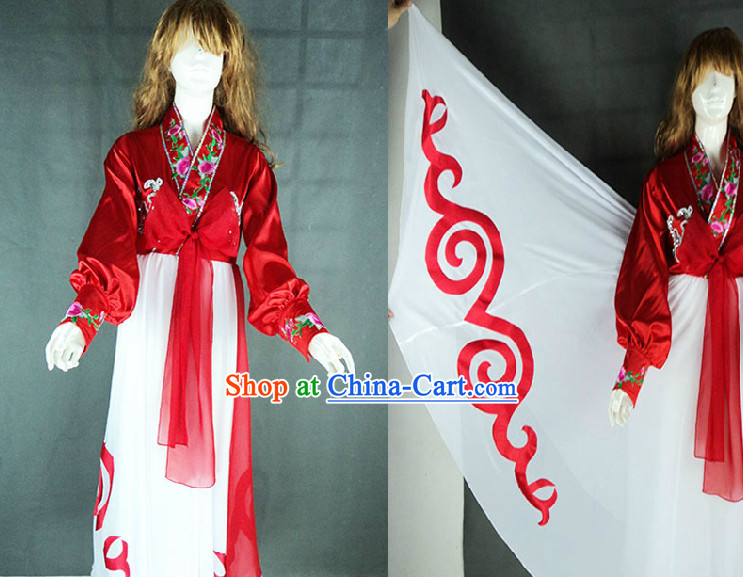
In South Korea, traditional ethnic dance costumes are an important cultural symbol.
They represent the country's rich heritage and history.
These costumes are typically made from silk, cotton, and other materials and feature unique designs and patterns.
The colors and styles of these costumes also reflect the cultural differences between various regions in South Korea.
For example, traditional costumes worn in Seoul are usually black and white, while those worn on Jeju Island are brightly colored.
These costumes are not only used in performances but also for celebrations and traditional festivals.
They are an essential part of Korean culture and serve as a window into the country's history and traditions.
By wearing these costumes, people can connect with their roots and honor their ancestors.
The significance of traditional ethnic dance costumes extends beyond their aesthetic value.
They also play a crucial role in preserving Korean culture and passing it down to future generations.
As such, they are an integral part of South Korea's identity and continue to be cherished by its people.
 Listen in the gallery Listen in the gallery
|



 it.
it. 
 years of leading craftsmanship